

john torrison president
   
  • Club Home
  • Club Members
  • Listen with Bill
    • Bill's History
  • Turntable
    • TT History
  • The FlipSide
  • Picturesque!
  • Skips Corner
  • Gulliver's Travels
  • The Club Pub
    • Sucks News
  • Harv's Corner

The Club PUBlication  02/20/2023

2/20/2023

0 Comments

 
Picture
Picture

Curbing thefts of catalytic converters Minnesota can shrink the market for stolen converters by requiring identification numbers. 
By Editorial Board Star Tribune
 
FEBRUARY 17, 2023 — 5:45PM

Picture
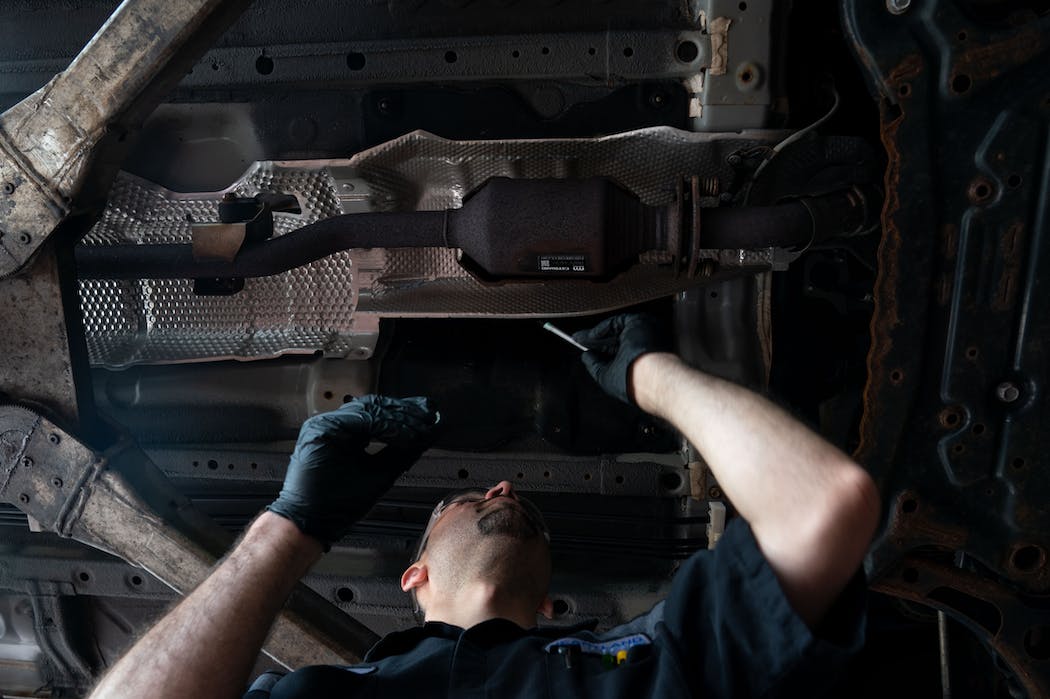
Mechanic AJ Flores applies a marking sticker to a catalytic converter on June 30, 2022, in Spring Lake Park. The sticker was a part of a pilot program by the Minnesota Department of Commerce to prevent catalytic converter theft.

Catalytic converters are a singularly unlovely — but critical — piece of vehicle equipment. Tucked between the engine and the muffler and about the size of a bread loaf, the converter is essential for changing engine exhaust into something less harmful to the environment. It relies on several rare earth metals whose prices have risen dramatically in recent years.

That has made the converters a tempting target for thieves, who crawl underneath vehicles and, in a minute or two, saw off the converter. The scrap metal nets them a few hundred dollars or more when they fence it. But replacement can cost vehicle owners as much as several thousand dollars, depending on the type of insurance they have, and going without is not an option. Catalytic converters are required by law in every state.

Minnesota, regrettably, is a top state nationally for catalytic converter thefts. A Star Tribune analysis of crime statistics from 23 Twin Cities suburbs in 2021 showed thefts had skyrocketed from 300 in 2019 to more than 2,300. So steep was the rise that the National Insurance Crime Bureau named the Twin Cities metro area the riskiest place in the country for such thefts.

Thankfully, Sen. John Marty, DFL-Roseville, has a logical and ingenious approach to reducing such thefts aimed at shriveling up the market. "It's very simple," Marty told an editorial writer. "Make it a crime to possess a used catalytic converter without a VIN number." Scrap yards and others who deal in or repair used catalytic converters would have to ensure that those in their possession have a Vehicle Identification Number, which can be traced back to the vehicle. He said that writing or inscribing the number on the converter is a simple matter for shops working on converters or, if a converter is brought in legally, ensuring that the VIN is on it.


"If you look at Craigslist or other places, you can find illicit scrap metal dealers advertising cash for converters," he said. This addresses a key issue with this type of crime. Converters otherwise carry no markings or VIN numbers that allow prosecutors to link them back to specific vehicles.

Marty said that law enforcement agencies have told him that even when they find someone possessing multiple used converters, they have no way to prove the converters were stolen. He said law enforcement would gain a valuable tool if sting operations allowed them to arrest illicit buyers who purchase unmarked converters.

Marty said he tried to introduce such legislation for three years when the Senate was in Republican hands. Now, as head of the powerful Finance Committee in a DFL-controlled Senate, Marty believes he has the votes to make SF 5 a reality. "Minnesota is a leading state for this, and we don't have to be," he said. "We can do something about this." Similar legislation is working its way through the House.

Stolen converters have quickly mushroomed into a multimillion-dollar market. Late last year, the U.S. Justice Department — aided by state and local law enforcement across the country, including in Minnesota — busted a sophisticated network of thieves, dealers and processors who were selling stolen converters to a metal refinery for tens of millions of dollars.

Marty said the International Association of Auto Theft Investigators has told him Minnesota's law, if passed, could become a national model. The legislation also is supported by the Minnesota Chiefs of Police. The proposed legislation is a common-sense measure that attacks the problem at its source. The Legislature should pass it without delay.

0 Comments


Leave a Reply.

    Archives

    July 2026
    June 2026
    May 2026
    April 2026
    March 2026
    February 2026
    January 2026
    December 2025
    November 2025
    October 2025
    September 2025
    August 2025
    July 2025
    June 2025
    May 2025
    April 2025
    March 2025
    February 2025
    January 2025
    December 2024
    November 2024
    October 2024
    September 2024
    August 2024
    July 2024
    June 2024
    April 2024
    March 2024
    February 2024
    January 2024
    December 2023
    November 2023
    October 2023
    September 2023
    August 2023
    July 2023
    June 2023
    May 2023
    April 2023
    March 2023
    February 2023
    January 2023
    December 2022
    November 2022
    October 2022
    September 2022
    August 2022
    July 2022
    June 2022
    May 2022
    April 2022
    March 2022
    February 2022
    January 2022
    December 2021
    November 2021
    October 2021
    September 2021
    August 2021
    July 2021
    June 2021
    May 2021
    April 2021
    March 2021
    February 2021
    January 2021
    December 2020
    November 2020
    October 2020
    September 2020
    August 2020
    July 2020
    June 2020
    May 2020
    April 2020
    March 2020
    February 2020
    January 2020
    December 2019
    November 2019
    October 2019
    September 2019
    August 2019
    July 2019
    June 2019
    May 2019
    April 2019
    February 2019
    January 2019
    December 2018
    November 2018
    October 2018
    September 2018
    August 2018
    July 2018
    June 2018
    May 2018
    April 2018

    RSS Feed