  | Mackay: You can change your future if you believe in yourself  Harvey Mackay |
The creator of the world wanted to hide from humans the knowledge that they make their own reality, keeping it secret until they were ready to understand the truth. He asked the animals of the world for their ideas.
0 Comments
|

| |
 The enforcers of racism |
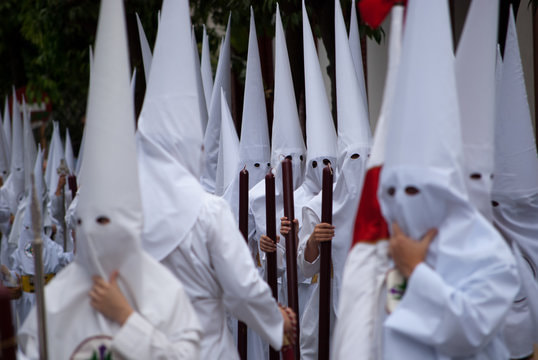
The Origin and Purpose of the Ku Klux Klan: Unveiling the Dark History of Hate
Introduction:
The Ku Klux Klan (KKK) is a notorious American white supremacist organization that has had a profound and dark impact on the nation's history. Established in the aftermath of the Civil War, the Klan emerged as a response to the emancipation of African Americans and the Reconstruction Era. This paper delves into the origin and purpose of the Ku Klux Klan, shedding light on its historical context, ideologies, and the consequences of its actions.
1. The Birth of the Klan:
The Ku Klux Klan was founded in 1865 in Pulaski, Tennessee, by a group of Confederate veterans. Initially, it started as a secret social club, aimed at preserving the antebellum Southern culture and white supremacy. Nathan Bedford Forrest, a former Confederate general, played a significant role in the Klan's early development.
2. The Reconstruction Era:
The Reconstruction Era followed the Civil War, during which the federal government aimed to rebuild the South and establish civil rights for freed African Americans. However, this period faced significant resistance from white Southerners who sought to maintain their social and economic dominance. The Klan emerged as a paramilitary force that sought to suppress African Americans and their newfound civil liberties.
3. The Klan's Ideologies:
The Ku Klux Klan embraced ideologies rooted in racial superiority, white nationalism, and hatred towards African Americans. They believed in the supremacy of the white race, opposing social and political equality for African Americans. Their actions aimed to intimidate, terrorize, and maintain control over the newly freed population.
4. Terror and Violence:
The Klan's tactics involved acts of domestic terrorism, targeting African Americans, their allies, and political opponents. Their methods included lynching, bombings, arson, and other forms of physical violence. By instilling fear within African American communities, the Klan sought to enforce racial segregation and undermine progress made during the Reconstruction Era.
5. Political Influence and Decline:
During its early years, the Klan enjoyed considerable political influence, particularly in the Southern states. Klan members held public offices, including seats in Congress, and exerted significant control over local governments. However, the organization's influence began to decline due to public backlash, legal action, and internal divisions.
6. Resurgence in the 20th Century:
The Ku Klux Klan experienced a resurgence in the early 20th century, fueled by factors such as the Great Migration of African Americans to northern cities and the growth of nativist sentiments. This second wave of the Klan targeted not only African Americans but also immigrants, Catholics, Jews, and other minority groups.
7. Civil Rights Movement and Continued Presence:
During the civil rights movement of the 1950s and 1960s, the Klan vehemently opposed efforts to end racial segregation and promote equal rights. Klan members committed acts of violence against civil rights activists and participated in the infamous bombing of the 16th Street Baptist Church in Birmingham, Alabama, which claimed the lives of four young girls. Despite legal and societal challenges, the Klan continues to exist today, albeit in fragmented and marginalized forms.
8. Impact on American Society:
The Ku Klux Klan's legacy is one of terror, violence, and racial hatred. Its actions have left a lasting impact on American society, reinforcing racial divisions and impeding progress toward equality. The Klan's ideology and actions serve as a grim reminder of the deep-seated racism that has plagued the nation's history.
Conclusion:
The Ku Klux Klan's origin and purpose are deeply rooted in the context of post-Civil War America, with a mission to uphold white supremacy and oppose African American civil rights. Through violence, intimidation, and domestic terrorism, the Klan sought to maintain racial dominance and impede progress toward equal rights.
| | The 1921 Tulsa Massacre |
The Tulsa massacre, also known as the Tulsa race riot or the Black Wall Street massacre, was a devastating event that took place in the Greenwood District of Tulsa, Oklahoma, in 1921. The incident marked one of the most violent episodes of racial violence in American history and had a profound impact on the African American community.
Greenwood, also called Black Wall Street, was a prosperous and affluent neighborhood predominantly inhabited by African Americans. It boasted successful black-owned businesses, including banks, hotels, restaurants, and various other enterprises. This economic success and the sense of community within Greenwood threatened the prevailing racial order and fueled racial tensions.
On May 31, 1921, the massacre began with an incident involving a young black man named Dick Rowland and a white elevator operator named Sarah Page. The exact details of the encounter remain unclear, but Rowland was accused of assaulting Page. The arrest and subsequent rumors of an alleged assault sparked outrage and escalated racial tensions in Tulsa.
Inflamed by sensationalized media coverage and deep-seated racism, a white mob gathered outside the courthouse where Rowland was being held. The situation quickly spiraled out of control when a group of armed black men arrived to protect Rowland. A confrontation between the white mob and the armed black residents ensued, leading to gunfire and chaos.
The violence quickly spread throughout the Greenwood District as the white mob, numbering in the thousands, began attacking black homes, businesses, and individuals. They looted, vandalized, and set fire to numerous buildings, including the renowned Black Wall Street. The local authorities failed to intervene effectively, and some reports even suggest that law enforcement actively participated in the violence.
The African American residents of Greenwood were outnumbered and outgunned, and their attempts to defend their community were met with overwhelming force. The violence continued for approximately 16 hours, resulting in the destruction of over 35 square blocks and the loss of countless lives. Estimates of the death toll vary, but it is believed that hundreds of people, primarily African Americans, were killed. Thousands of residents were left homeless and displaced.
Following the massacre, the city of Tulsa sought to downplay the events and suppress information about the incident. The survivors faced significant challenges in rebuilding their lives and businesses, and many struggled to secure compensation for their losses. The history of the Tulsa massacre was largely suppressed and omitted from history books for decades.
It was not until the 1990s that concerted efforts were made to unearth the truth and acknowledge the magnitude of the tragedy. In recent years, there has been a renewed focus on the Tulsa massacre, with calls for reparations, public memorials, and educational initiatives aimed at acknowledging and learning from this dark chapter in American history.
The Tulsa massacre remains a painful reminder of the systemic racism and violence that plagued the United States during the early 20th century. It stands as a testament to the resilience of the African American community and the ongoing struggle for racial justice. By remembering and understanding this tragic event, society can strive to confront its legacy and work towards a more inclusive and equitable future.
| | Jim Crow Laws |
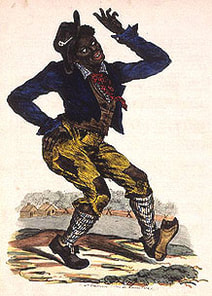 "Come listen all you galls and boys, I'm going to sing a little song, My name is Jim Crow. Weel about and turn about and do jis so, Eb'ry time I weel about I jump Jim Crow." |
|
Jim Crow laws were a series of state and local statutes enacted in the United States between the late 19th century and the mid-20th century. These laws enforced racial segregation and discrimination against African Americans and other people of color, primarily in the Southern states. The term "Jim Crow" originated from a popular racist minstrel show character in the 1830s and became synonymous with the oppressive system that defined the era.
Following the Reconstruction period after the Civil War, Southern states implemented Jim Crow laws to reestablish white supremacy and control over the newly freed African American population. These laws mandated segregation in public spaces such as schools, transportation, restaurants, restrooms, theaters, and housing. The idea behind these laws was to enforce a strict racial hierarchy, with whites deemed superior and African Americans relegated to inferior status.
Under the Jim Crow laws, separate facilities were established for whites and African Americans, often with the African American facilities being significantly inferior in quality and resources. This enforced separation was justified under the "separate but equal" doctrine, which claimed that separate facilities for different races were acceptable as long as they were of equal quality. However, in reality, the separate facilities were far from equal, perpetuating inequality and discrimination.
Education was also deeply affected by Jim Crow laws. African American schools received fewer resources, lower-quality textbooks, and limited funding compared to white schools. Many black students had to travel long distances to attend school, as the resources available to African American communities were intentionally limited. This systematic denial of educational opportunities further reinforced the cycle of poverty and limited economic prospects for African Americans.
The voting rights of African Americans were systematically suppressed through Jim Crow laws. Measures such as poll taxes, literacy tests, and grandfather clauses were implemented to disenfranchise black voters. These tactics effectively prevented African Americans from exercising their constitutional right to vote, solidifying white political dominance and suppressing any potential political power within the African American community.
In addition to legal segregation, social customs and norms further reinforced racial discrimination. African Americans faced widespread violence, including lynchings, without adequate legal protection. Segregation was not only a legal requirement but also a deeply ingrained societal norm, making it difficult for African Americans to challenge the status quo.
The Civil Rights Movement of the 1950s and 1960s played a pivotal role in dismantling the Jim Crow system. Landmark court cases such as Brown v. Board of Education and the Montgomery Bus Boycott challenged segregation laws, leading to significant legal victories and the gradual erosion of the Jim Crow system. The passage of the Civil Rights Act of 1964 and the Voting Rights Act of 1965 further dismantled legal barriers to equality and marked significant milestones in the fight against racial discrimination.
While the Jim Crow laws have been officially abolished, the legacy of this system continues to impact American society. The deep-rooted inequalities and racial disparities that were perpetuated by these laws persist to this day. The struggle for racial justice and equality remains an ongoing endeavor, as the effects of Jim Crow laws continue to shape the social, economic, and political landscape of the United States.
Archives
July 2024
June 2024
April 2024
March 2024
February 2024
January 2024
December 2023
November 2023
October 2023
September 2023
August 2023
July 2023
June 2023
May 2023
April 2023
March 2023
February 2023
January 2023
December 2022
November 2022
October 2022
September 2022
August 2022
July 2022
June 2022
May 2022
April 2022
March 2022
February 2022
January 2022
December 2021
November 2021
October 2021
September 2021
August 2021
July 2021
June 2021
May 2021
April 2021
March 2021
February 2021
January 2021
December 2020
November 2020
October 2020
September 2020
August 2020
July 2020
June 2020
May 2020
April 2020
March 2020
February 2020
January 2020
December 2019
November 2019
October 2019
September 2019
August 2019
July 2019
June 2019
May 2019
April 2019
February 2019
January 2019
December 2018
November 2018
October 2018
September 2018
August 2018
July 2018
June 2018
May 2018
April 2018
 RSS Feed